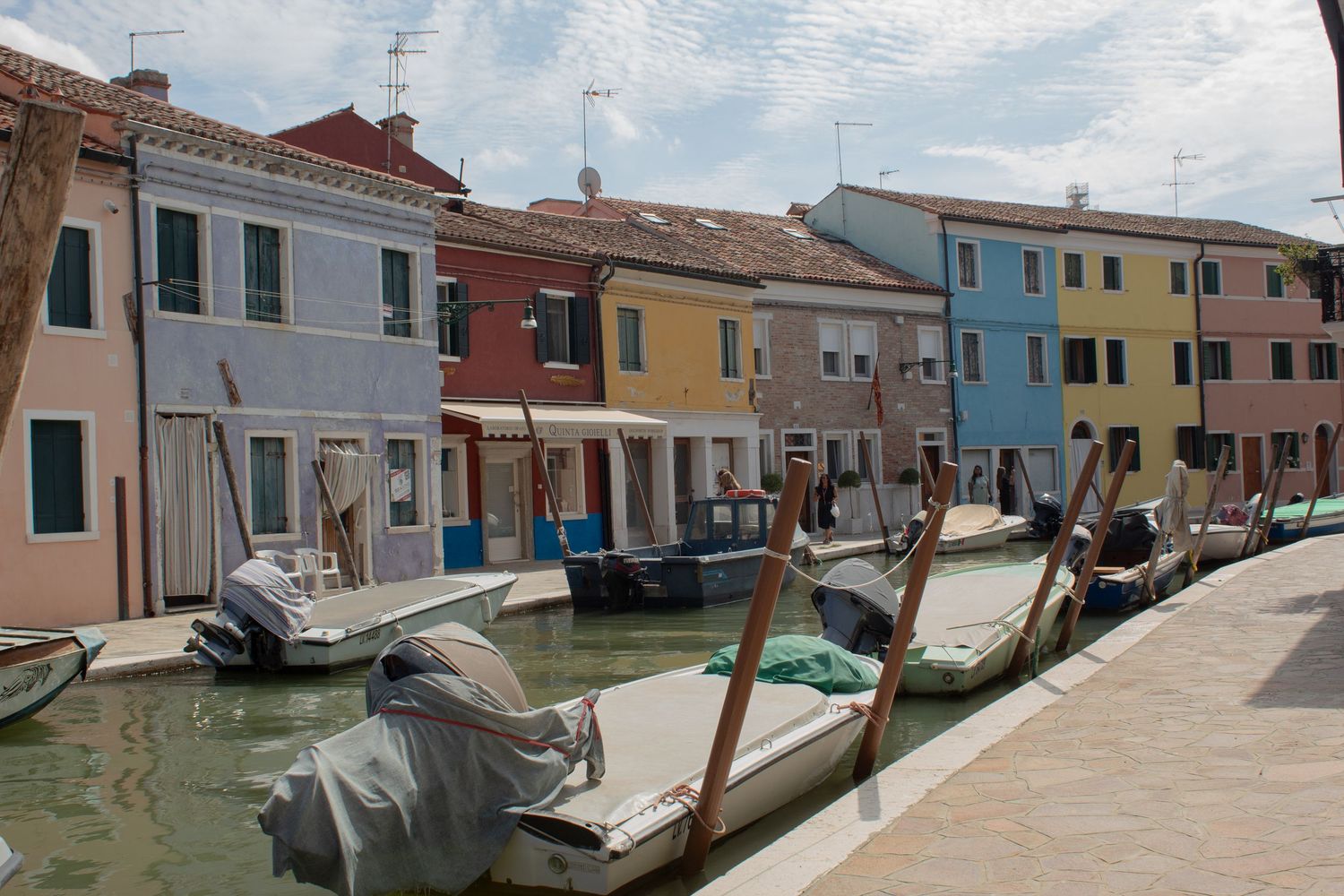
It was my second time in Venice, but my first time visiting Murano and Burano. Venice has traditionally impressed tourists with a different way of life. Visitors can witness the unique way in which Venetians travel, work, and play. Where bridges join every island together and school buses turn into school boats. Venice reveals an intricate maze veined with canals and alleyways. However, Murano and Burano, reveal something quieter. Tradition, color, and rhythm.
These photographs are fragments of that day.
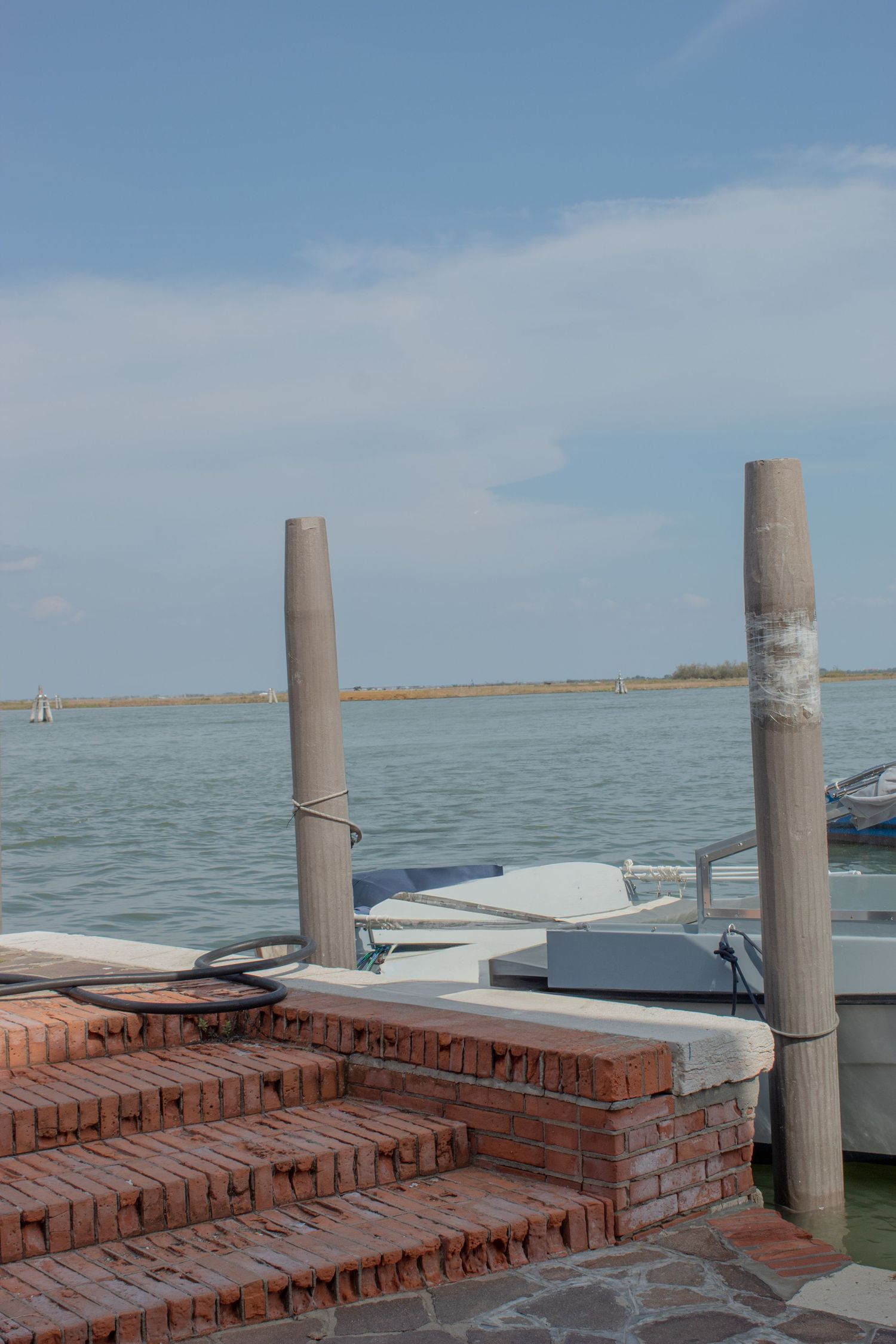
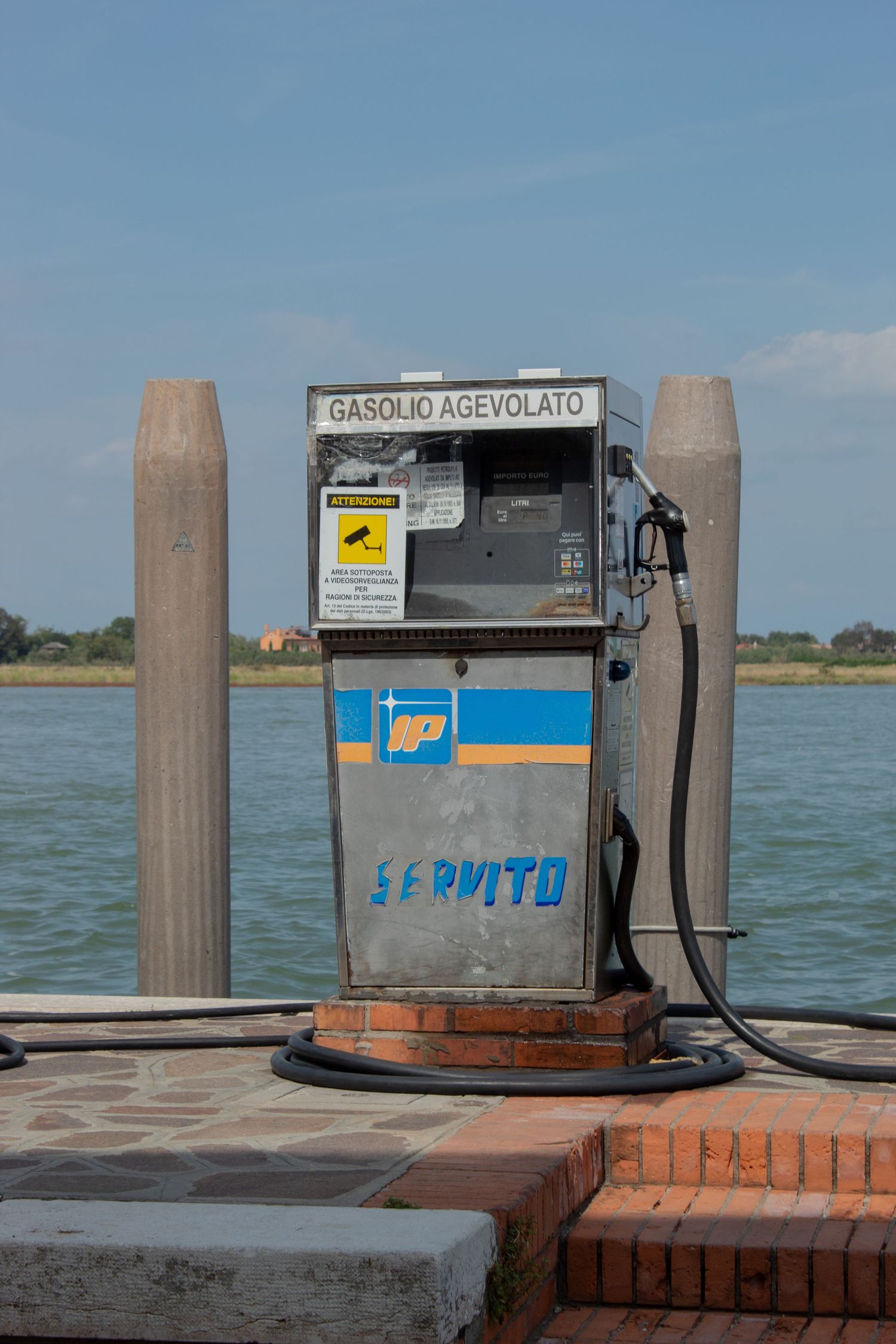
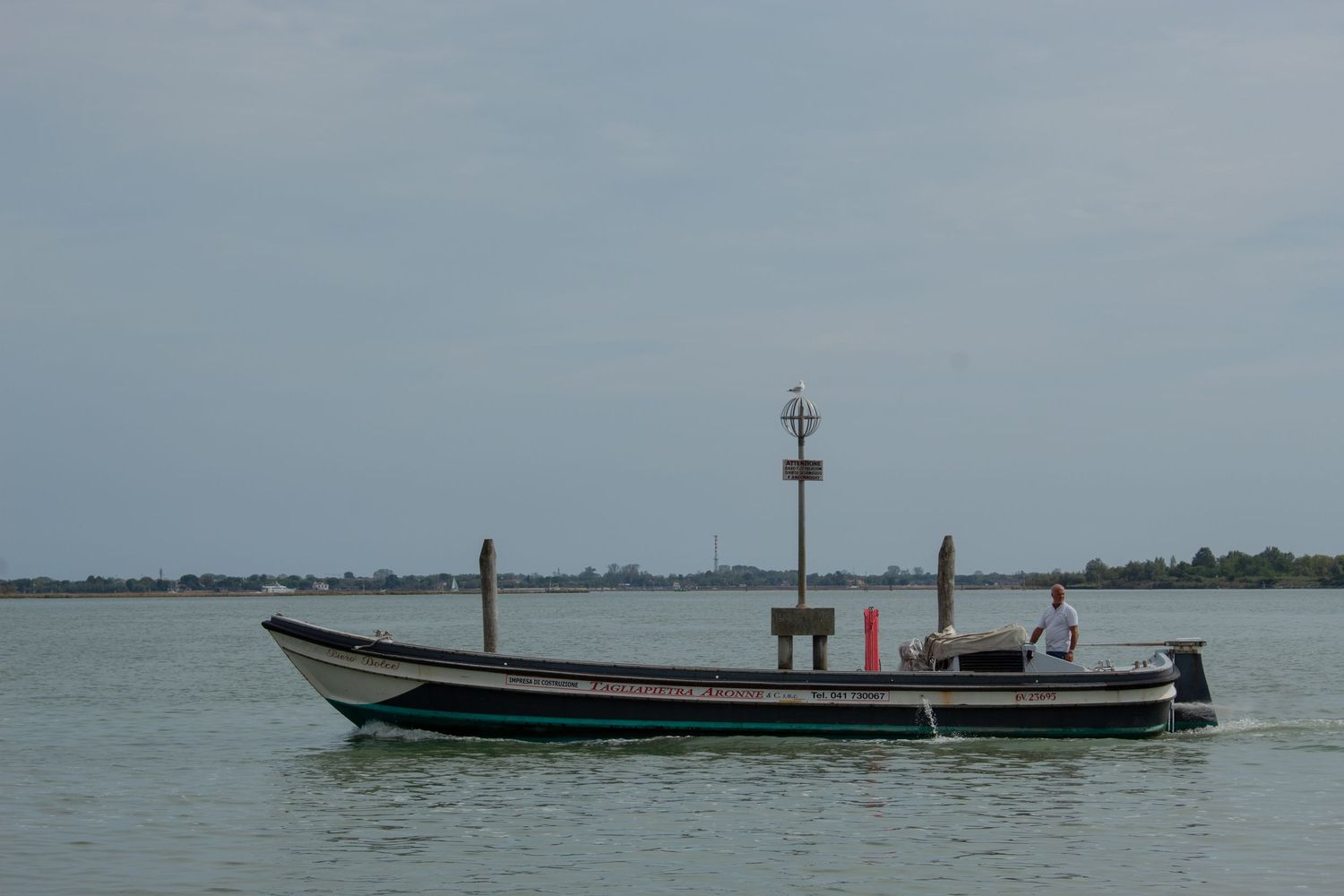
Murano is most famous for its glass. In 1291, the Venetian Republic moved all furnaces here to protect the city from fire. Inside, photographs were forbidden, so I watched as the glassblower demonstrated centuries-old techniques. The heat of the furnace, the glow of molten glass, and the craftsman’s steady hand came together to shape a glass horse. We were told that no two glass pieces are ever the same - each one is handmade, unique in its form, by artists continuing a tradition that has endured for centuries.
Outside the workshop, there was evidence of slower living. Canals lined with doorways, people strolling, enjoying the sun that was warming the vast concrete squares, the smell of seafood from kitchens. Murano felt lived-in, a working town with artistry at its heart.
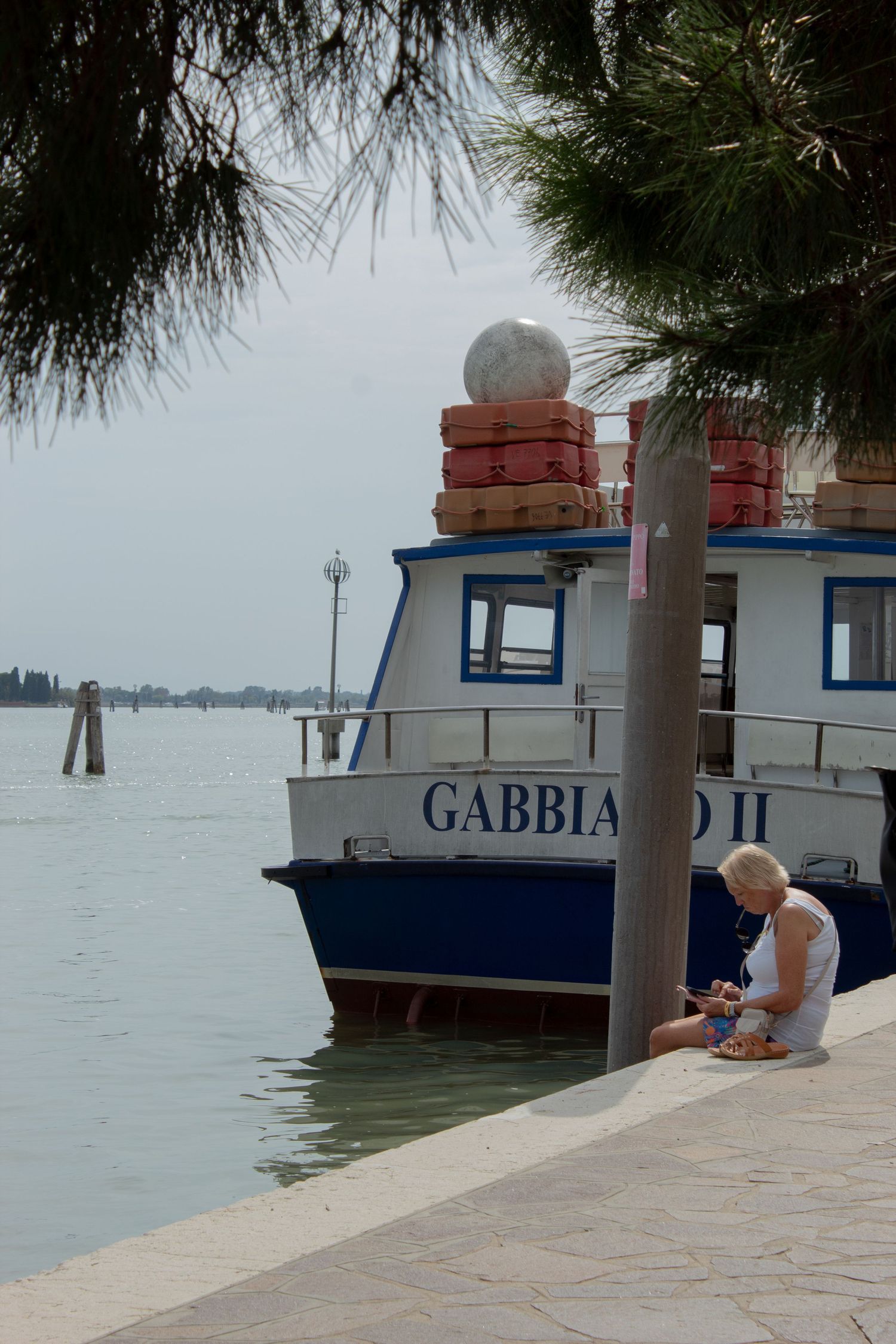
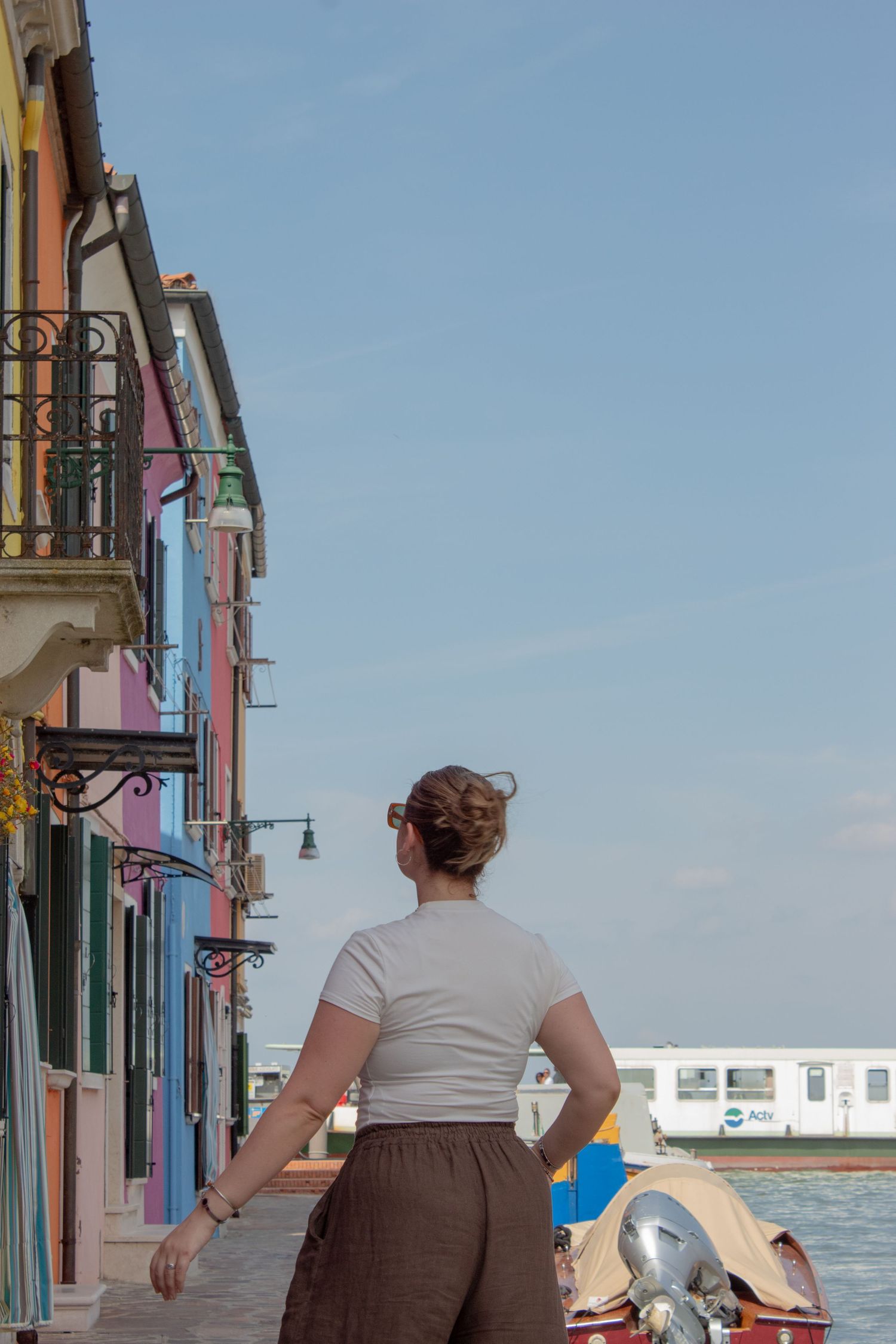
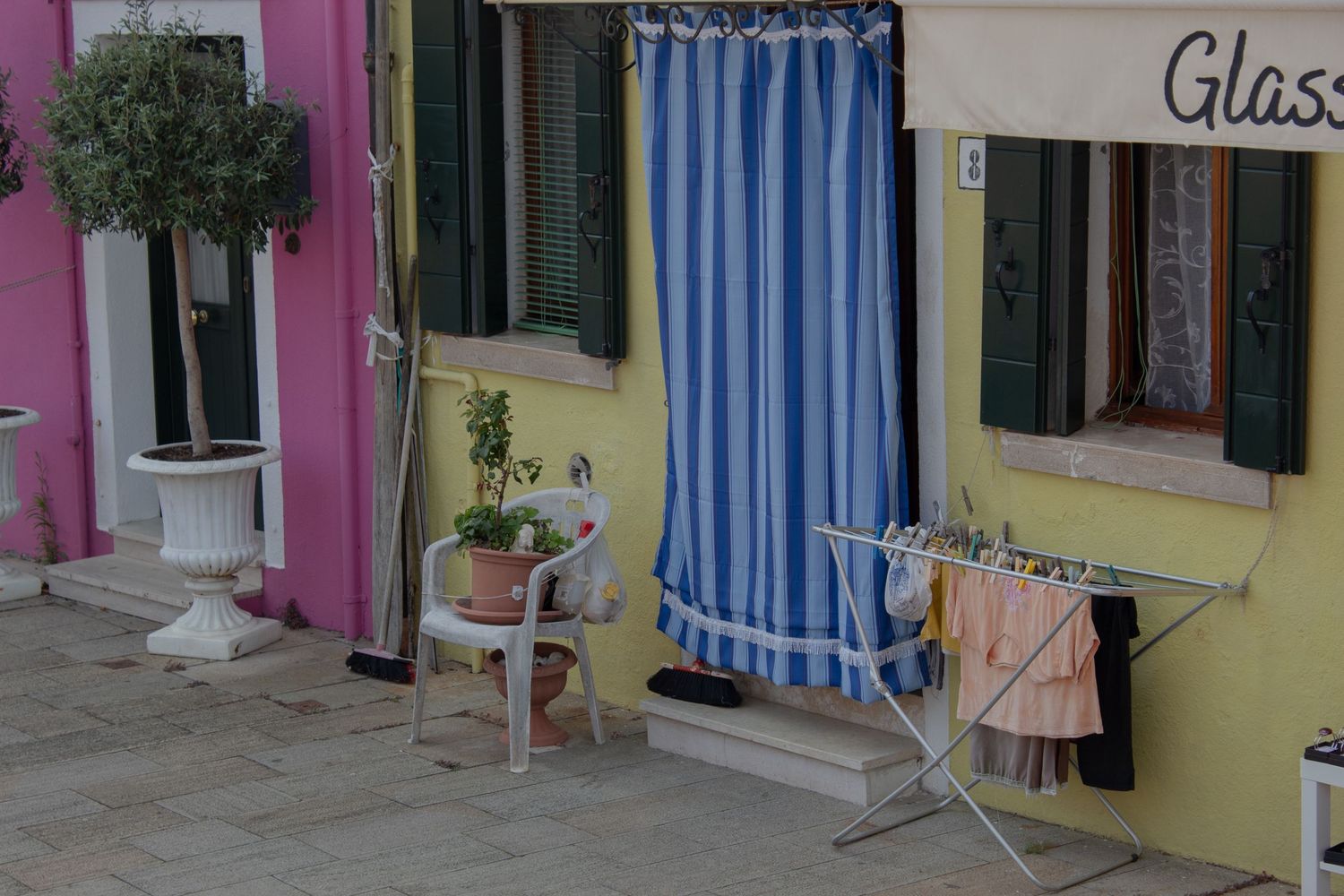
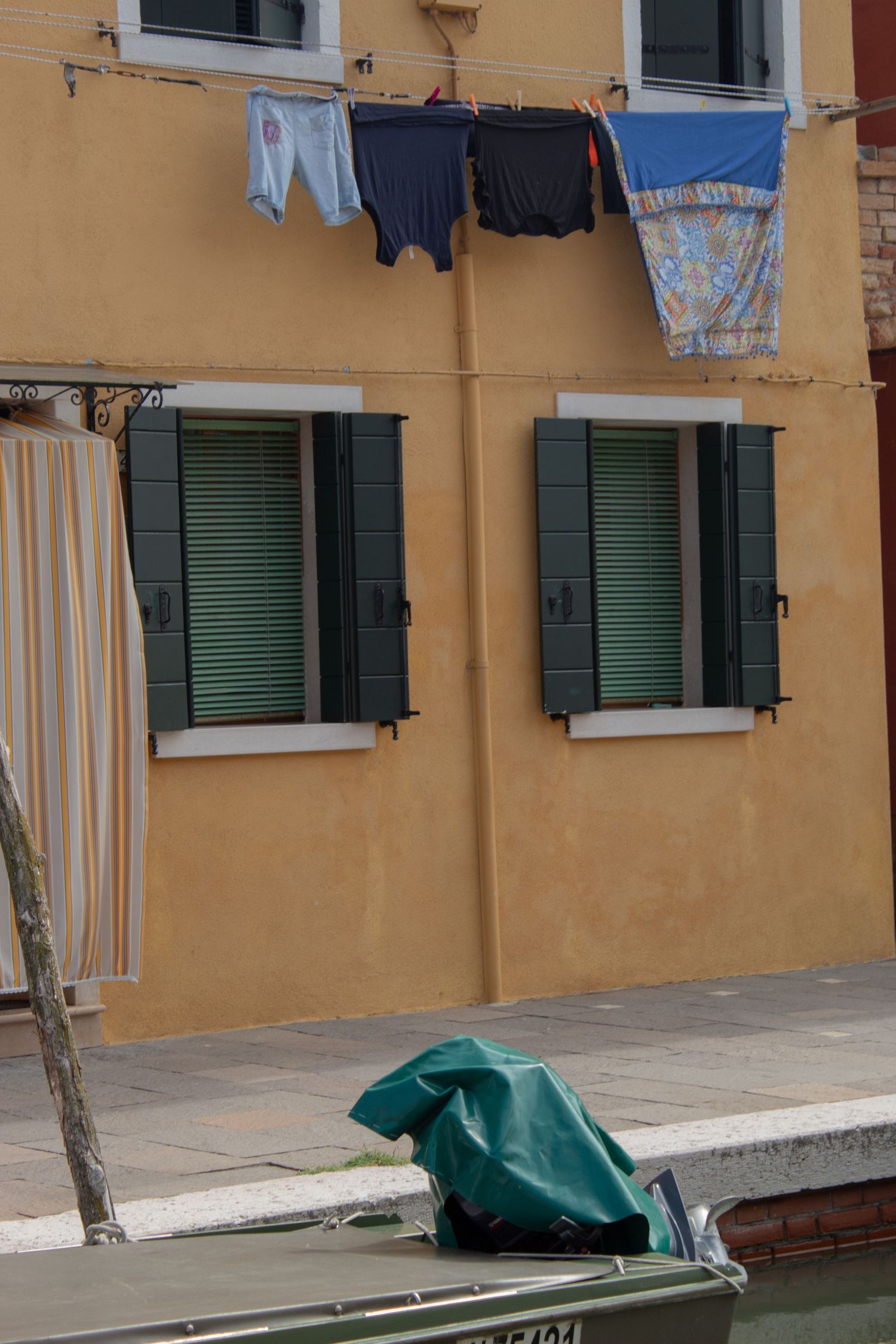
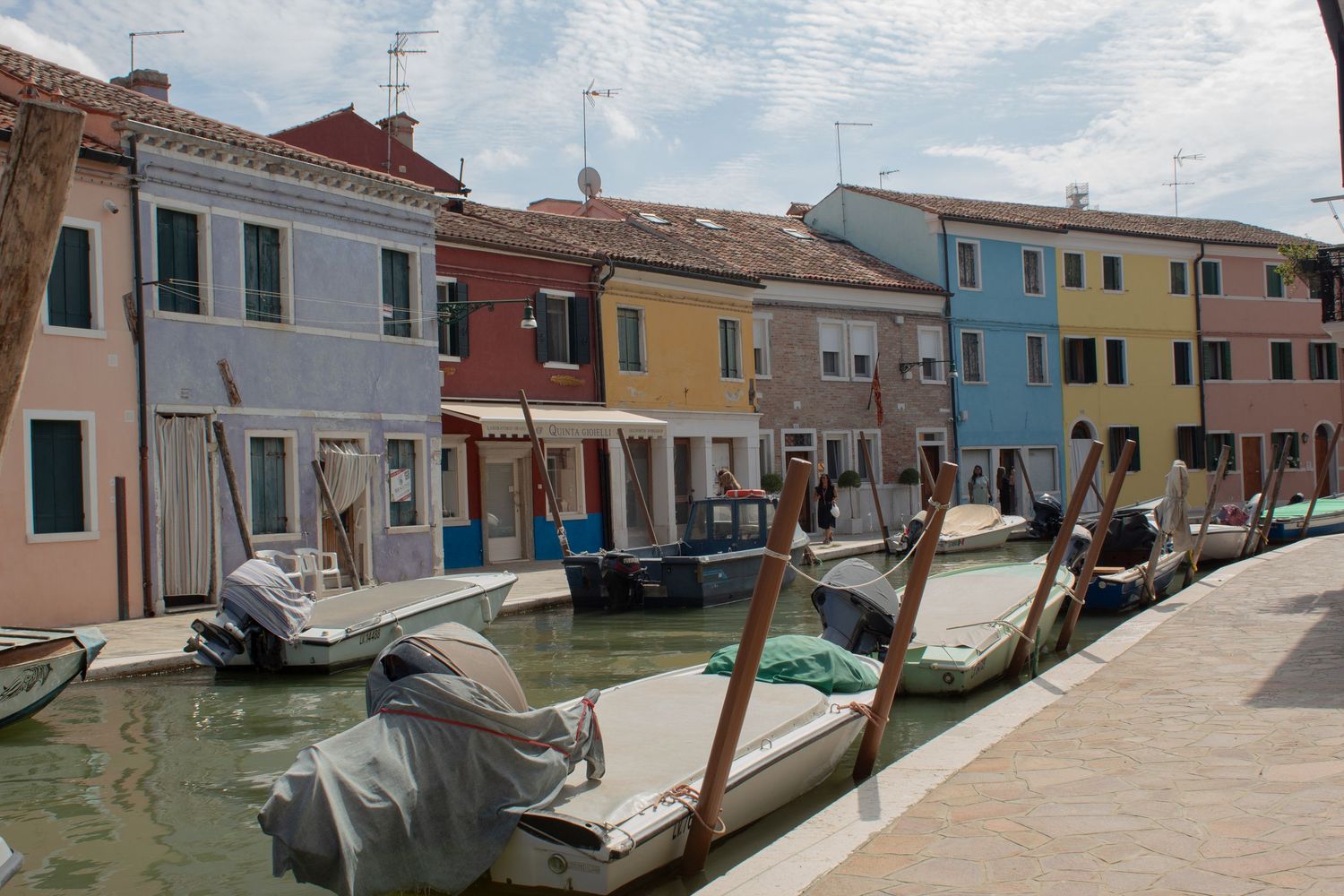
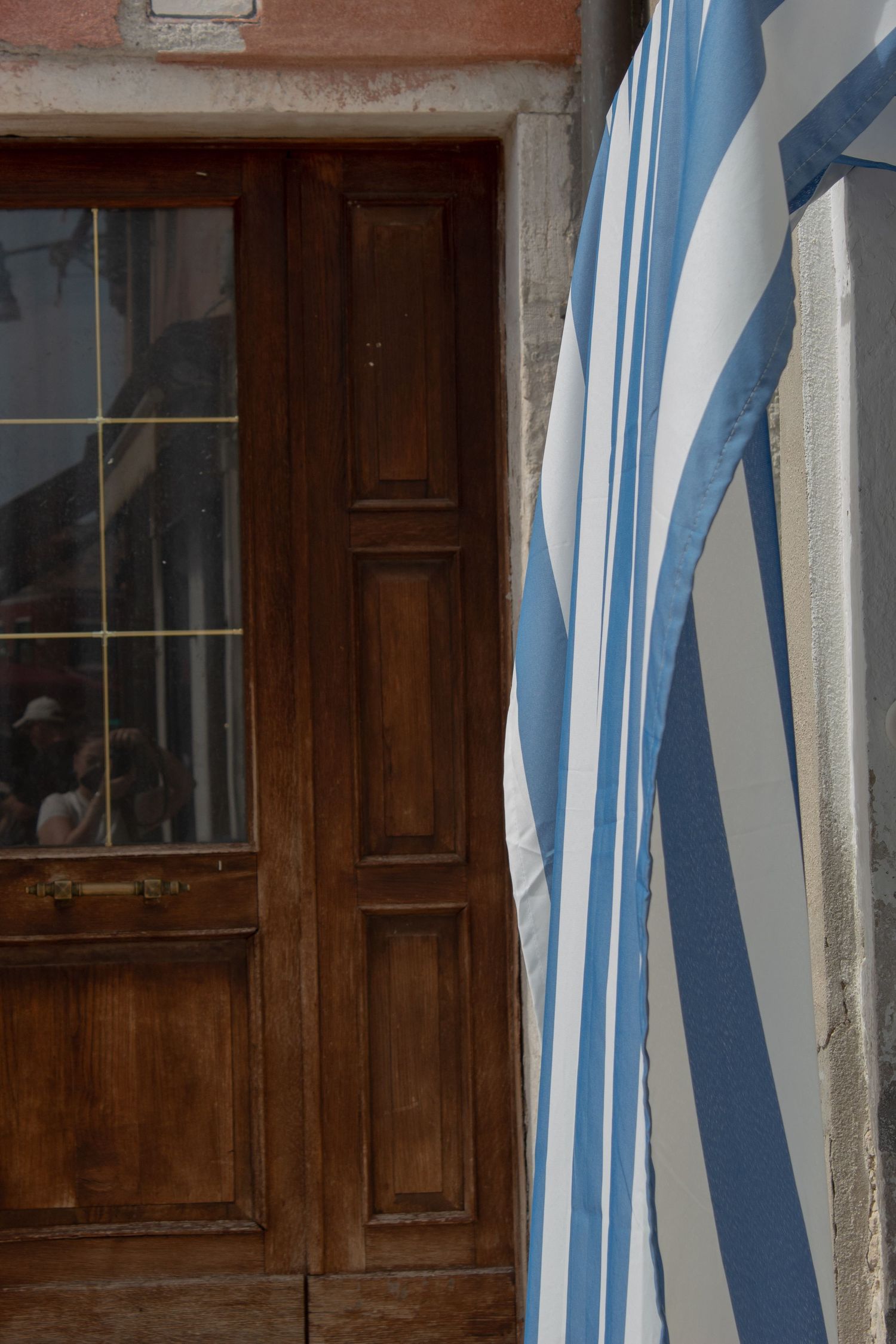
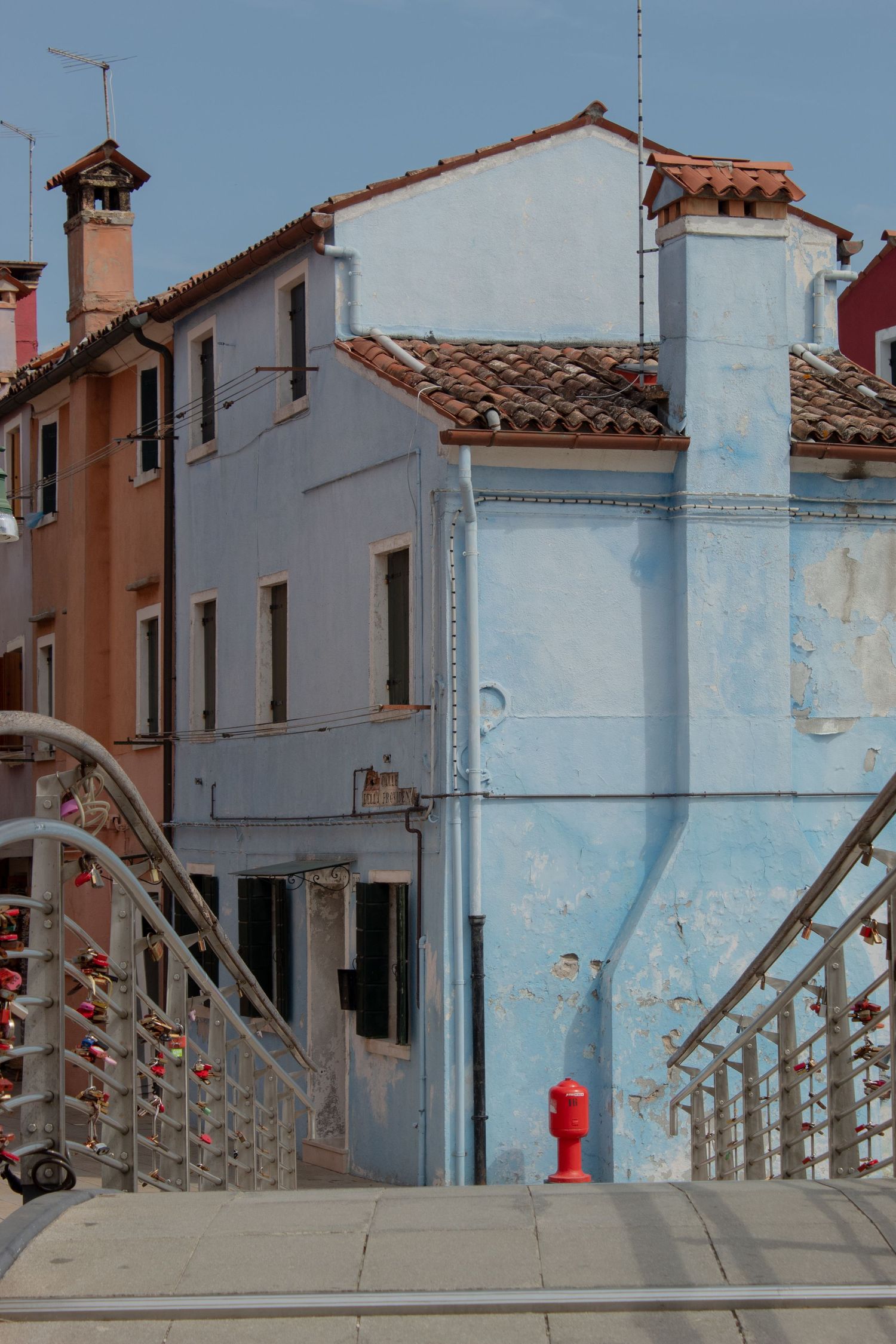
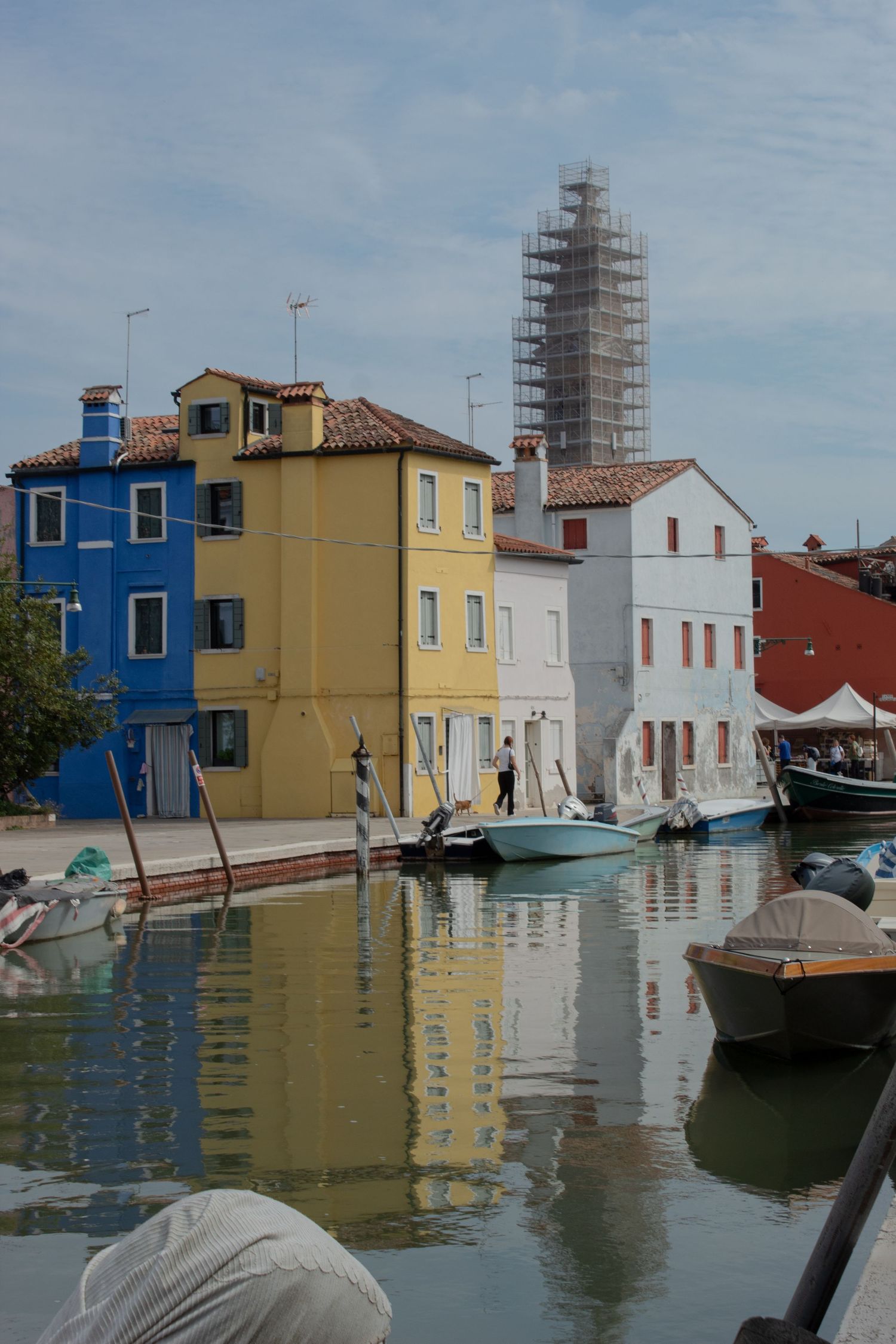
Stepping off the boat in Burano was like stepping into a painting. Houses decorated in colour. Emerald, peach, terracotta, dark and light blues. Linens swayed across doorways. Hung for privacy, to allow a breeze while doors stayed open, they added movement to the island. Even when the streets were still, Burano seemed to breathe.
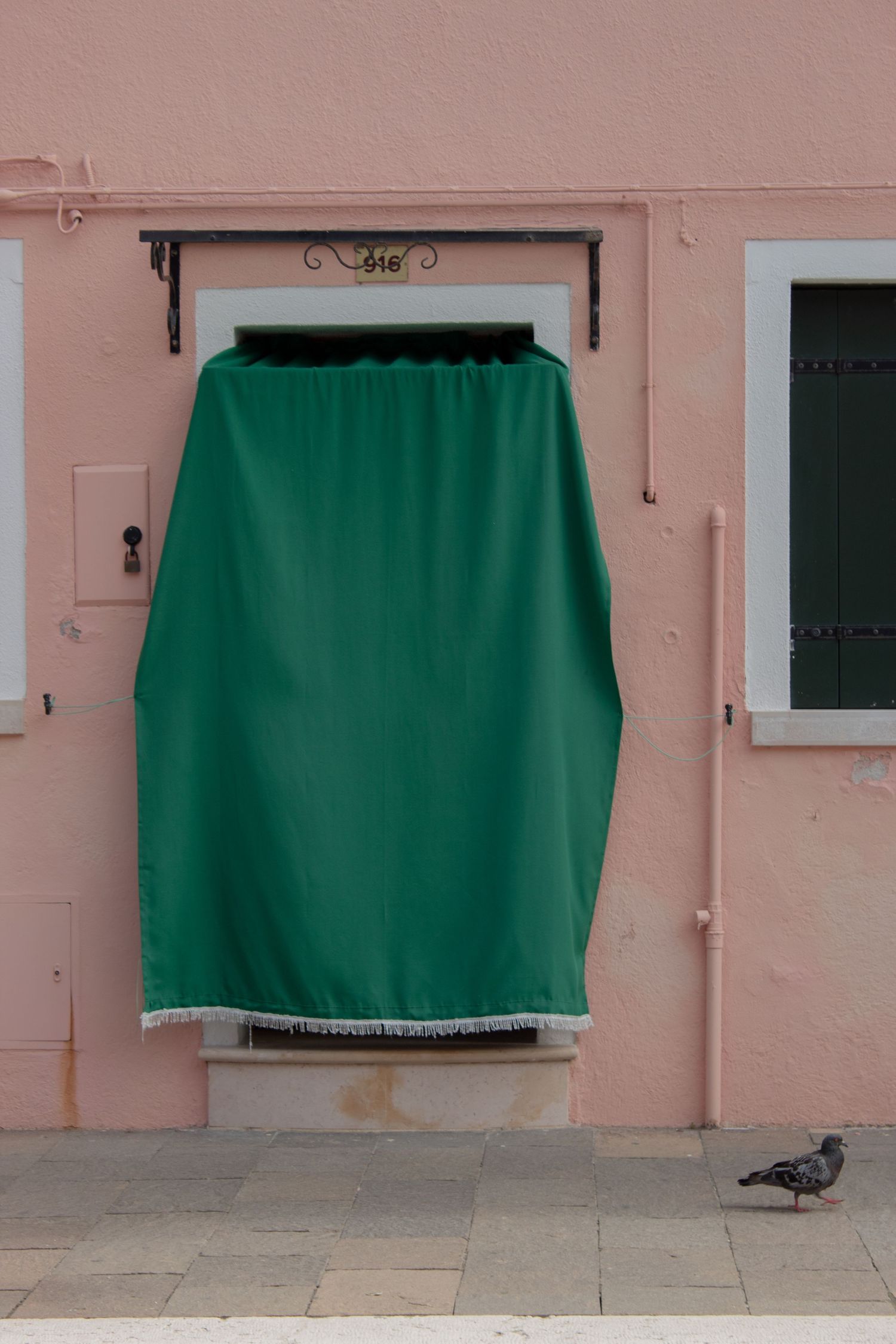
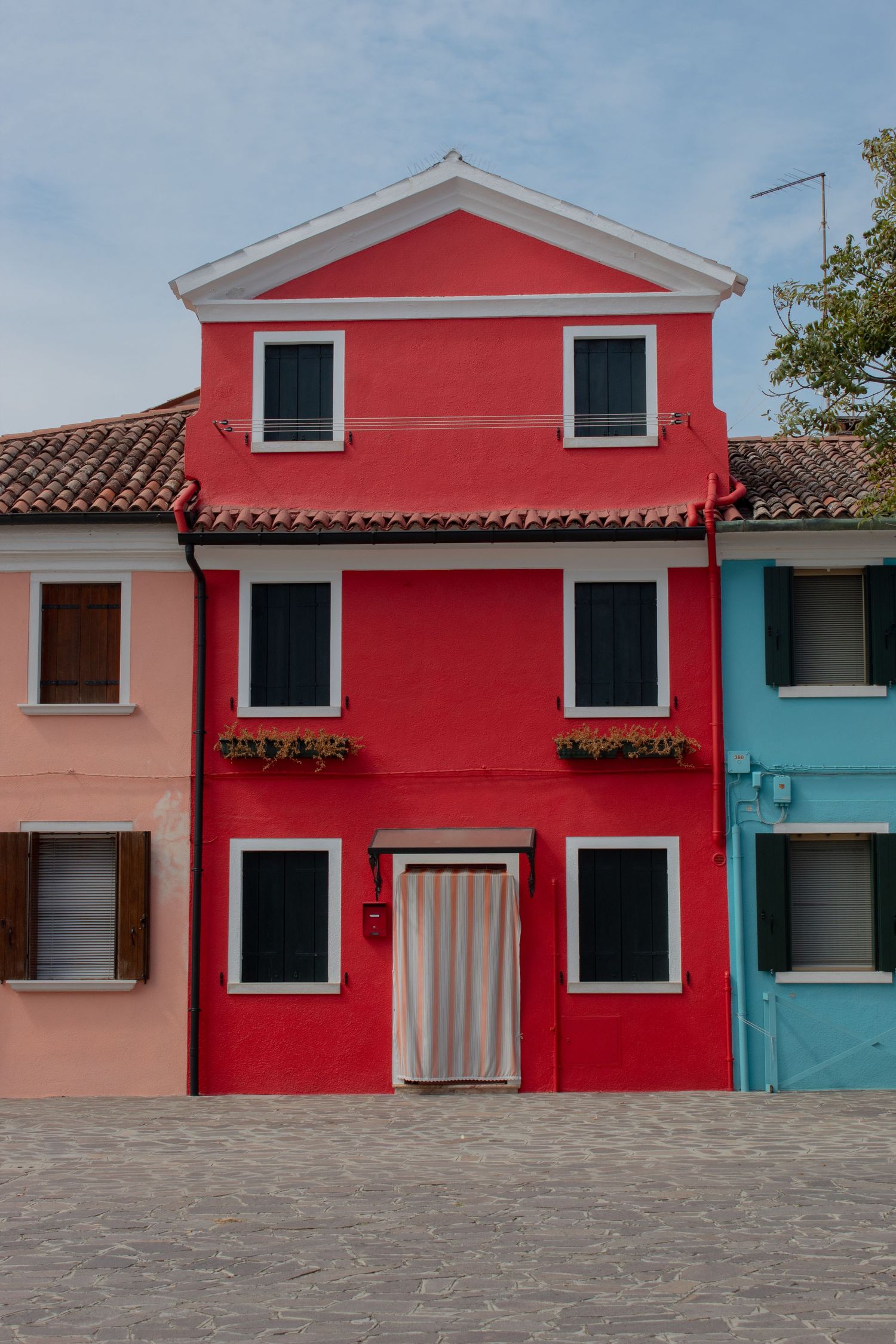
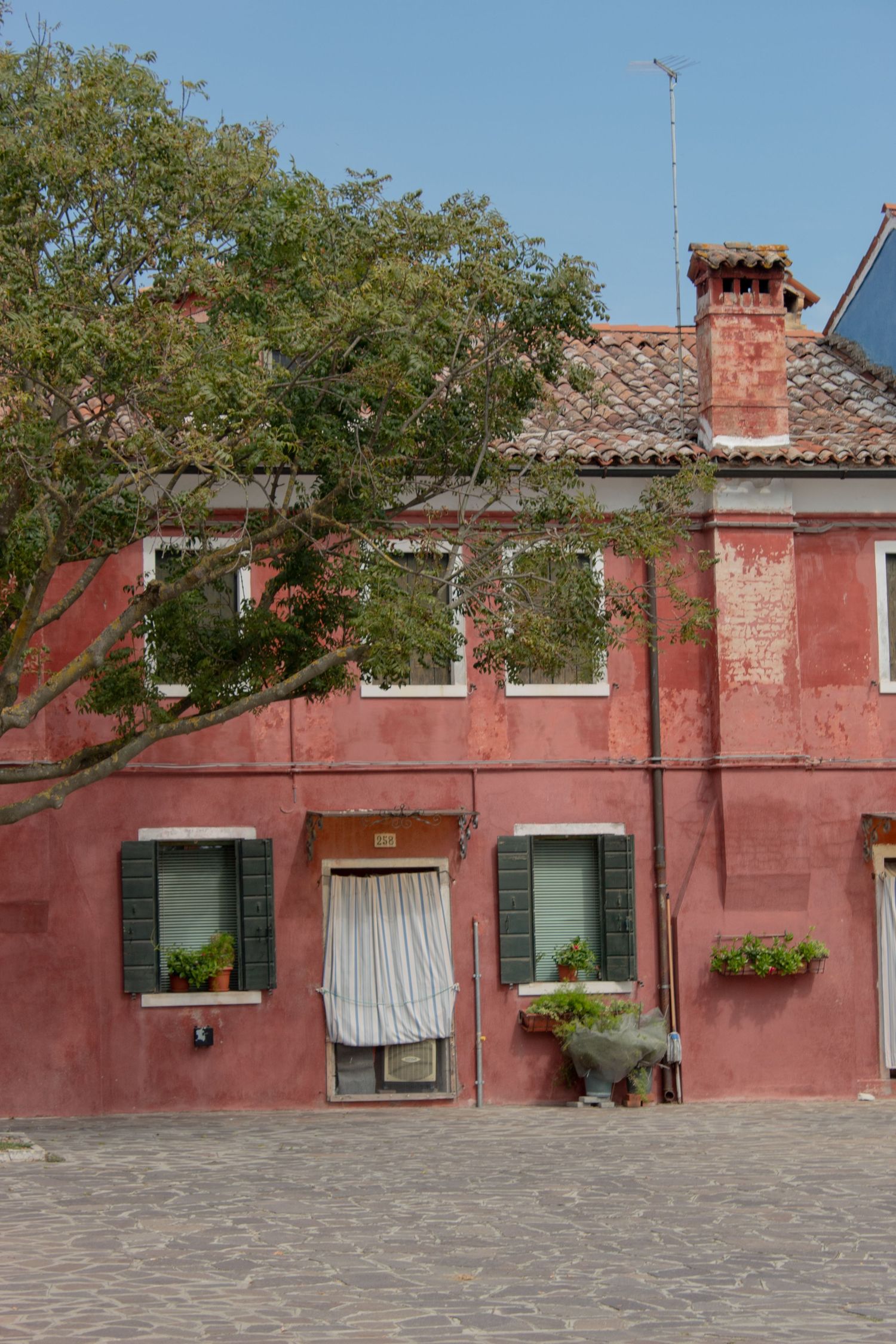
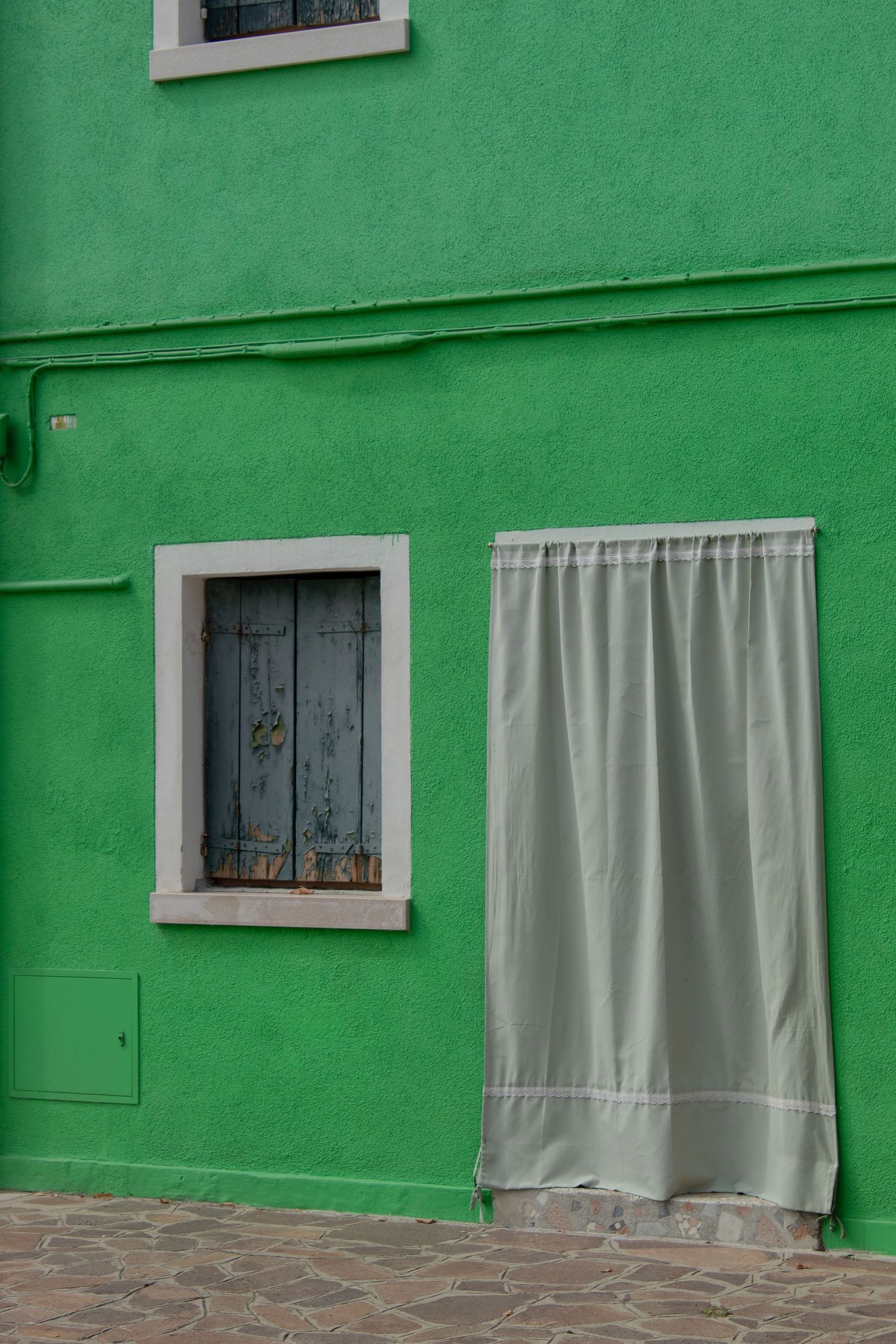
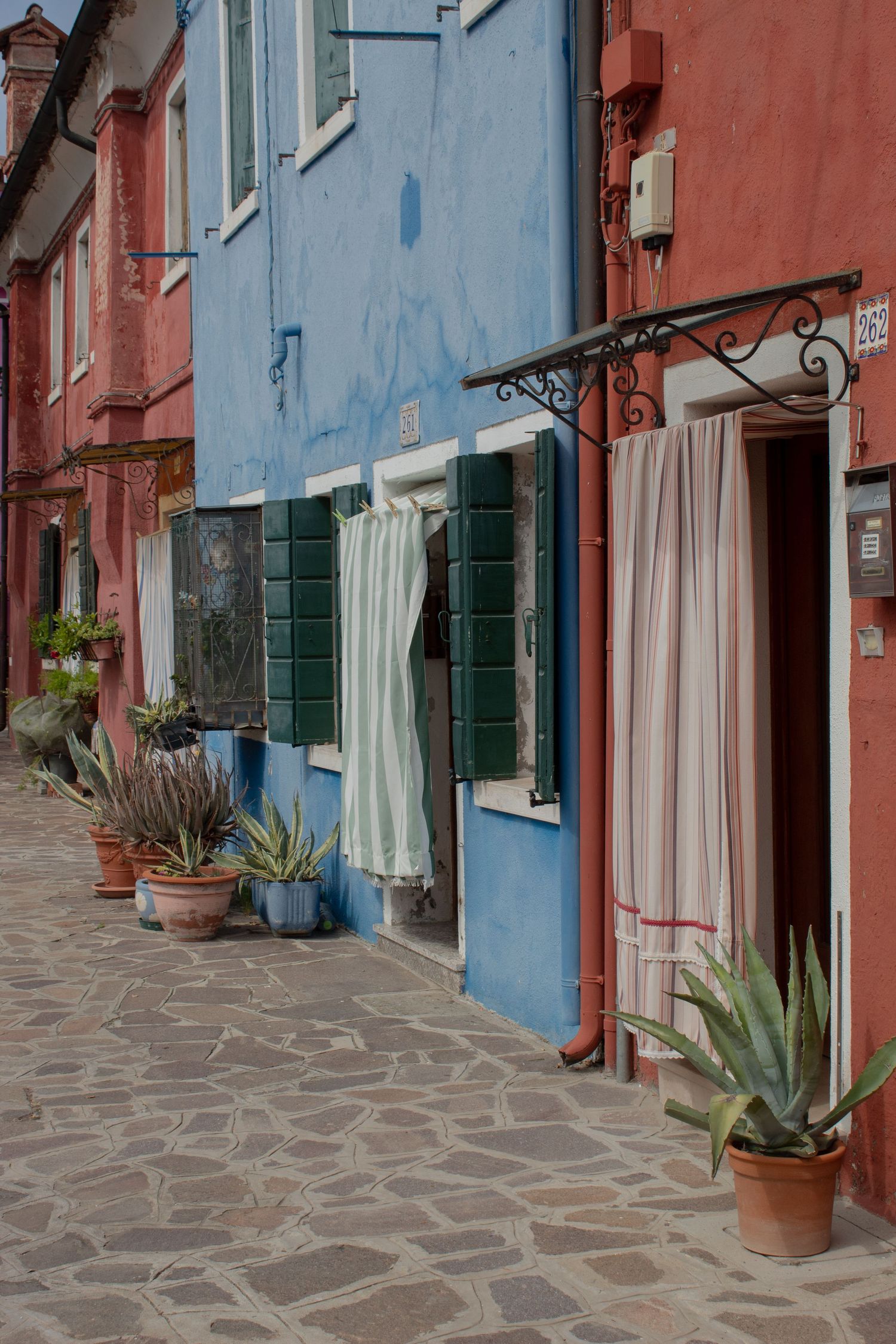
Laundry swayed gently in the warm breeze, its reflections rippling in the water below. These small details gave the island its character and evidence of how beautifully mundane life is.
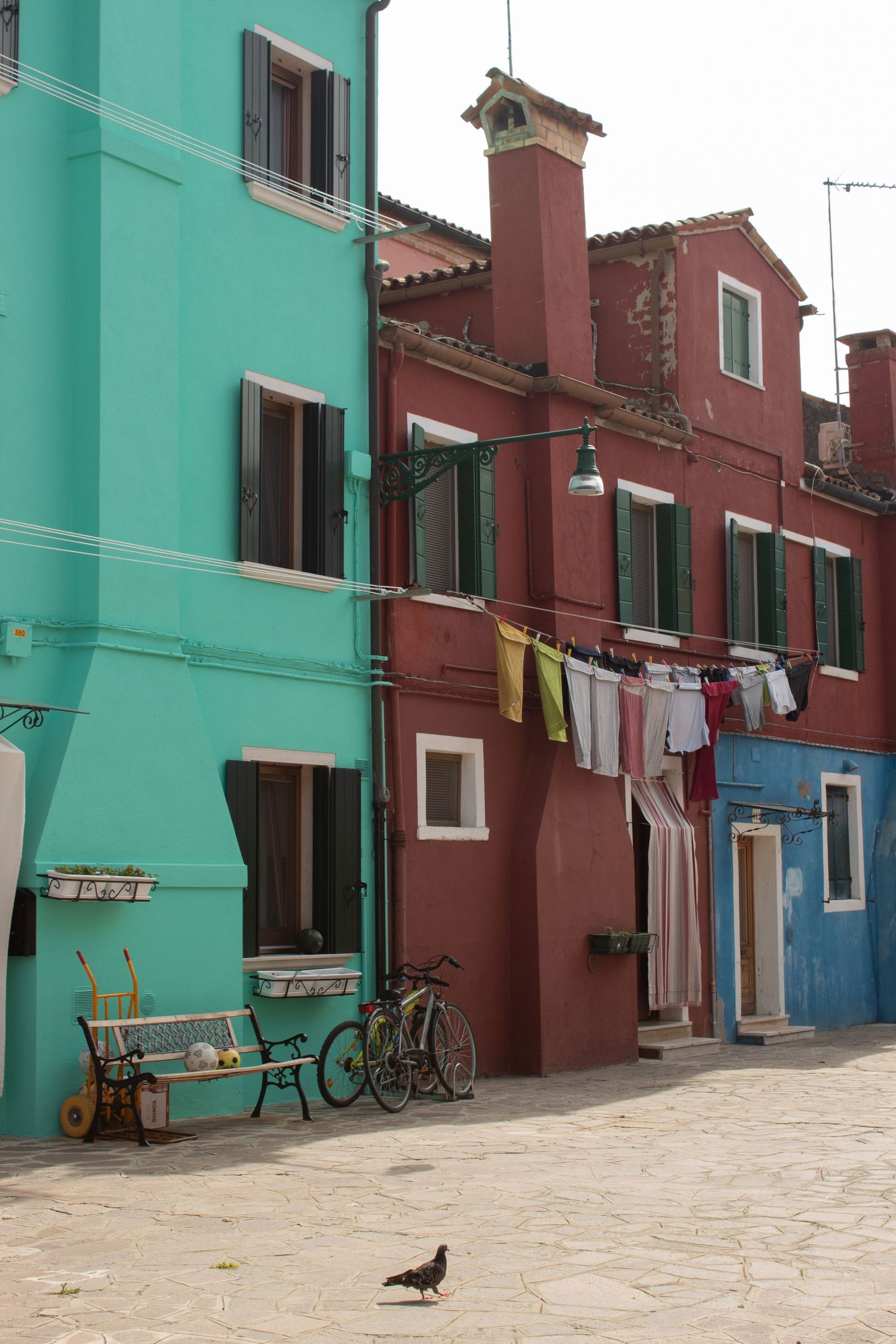
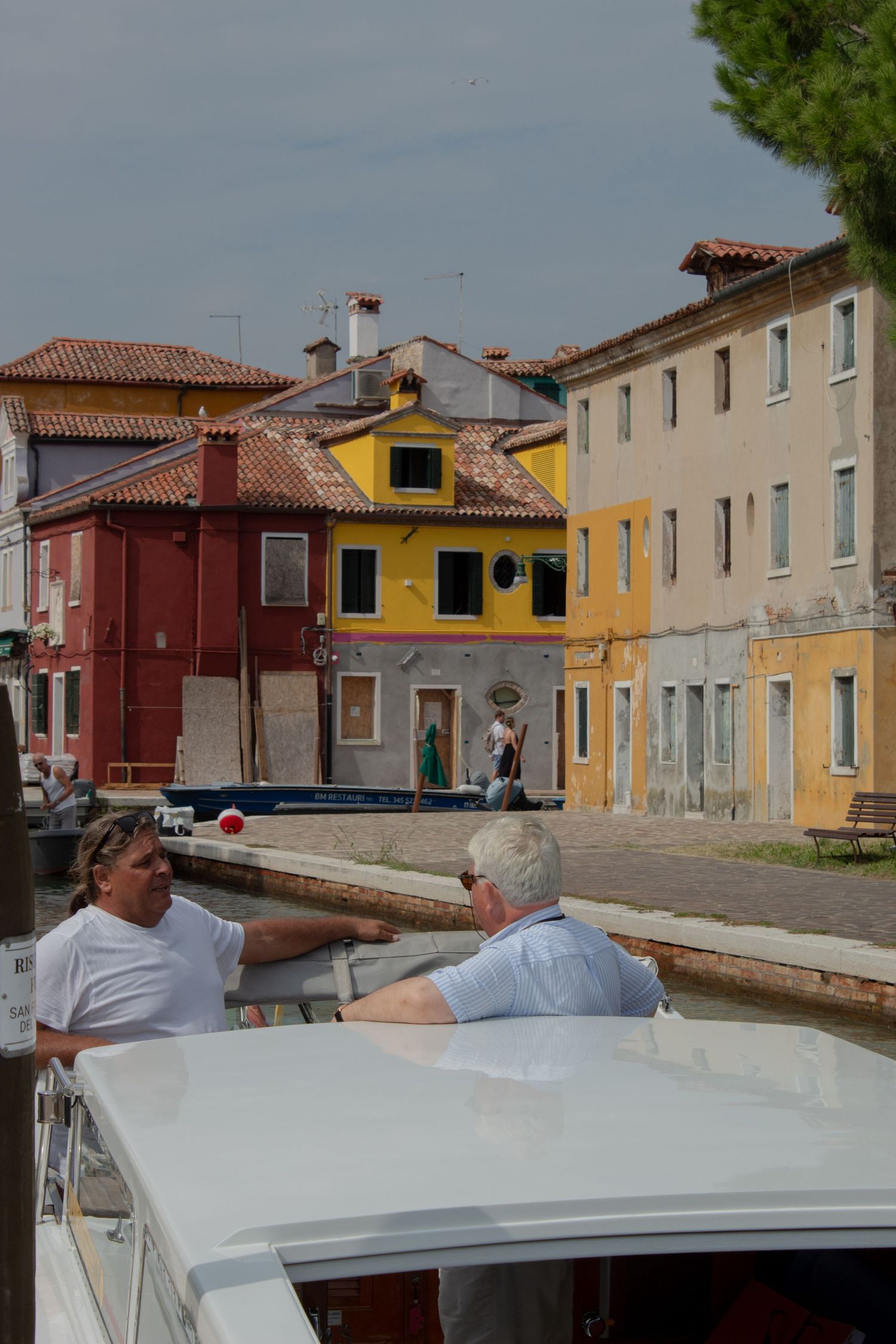
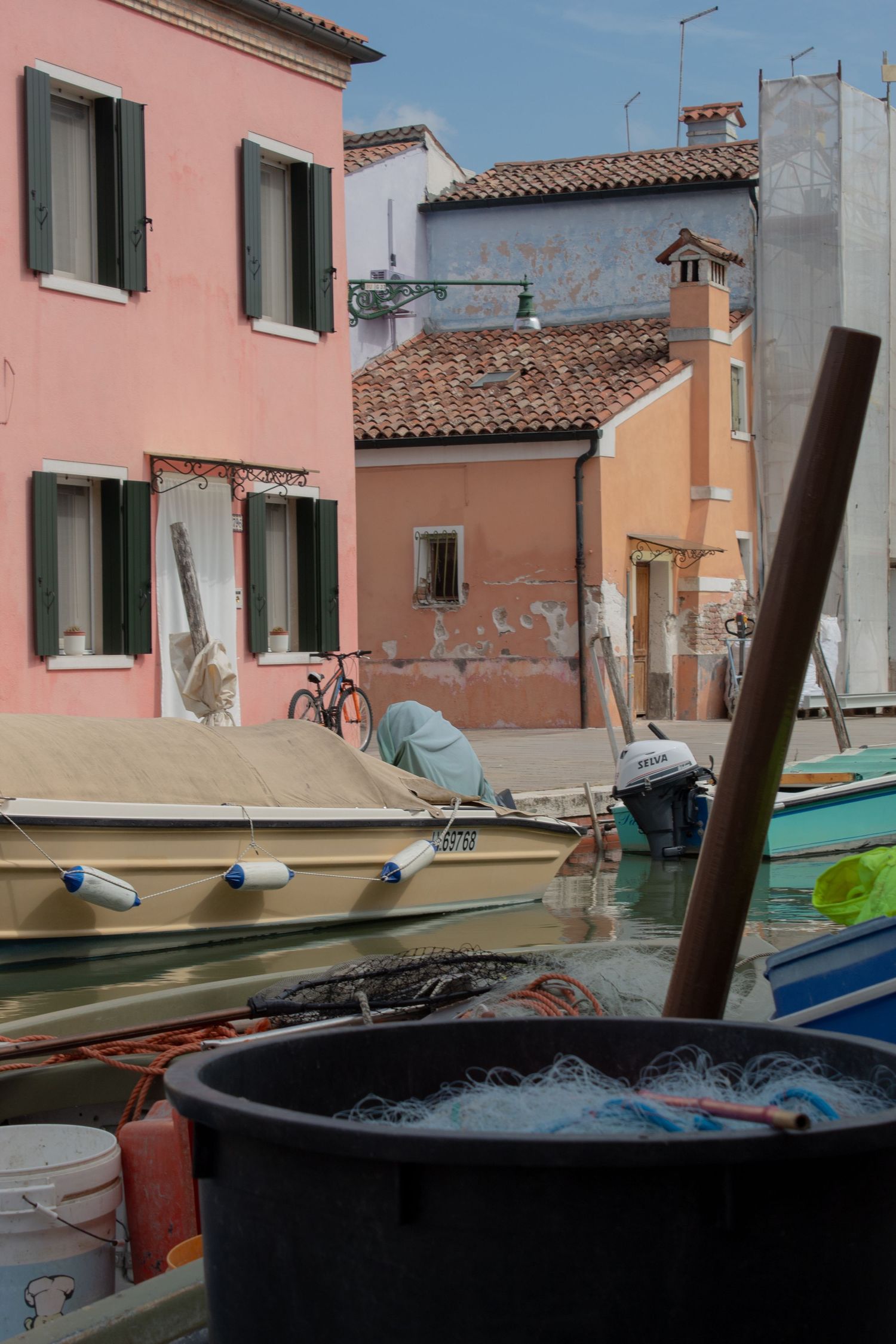
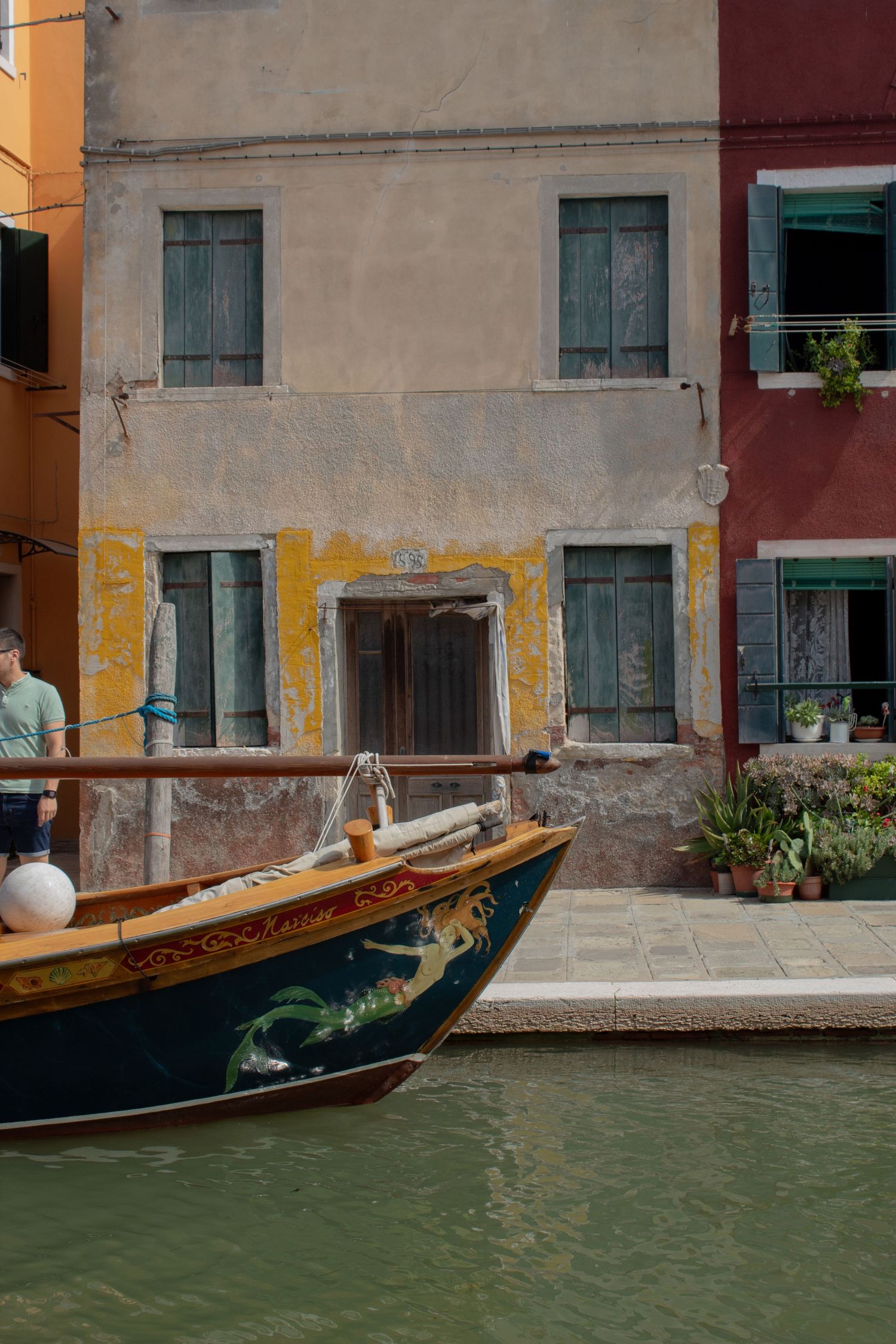
Burano is traditionally a fishing village, and traces of that history remain. Nets, ropes, and buckets were neatly scattered along the canal's edge close to their boats. A fisherman speaking with a friend, pausing mid-task, reminded me that this is still a working place, not just a spectacle for visitors.
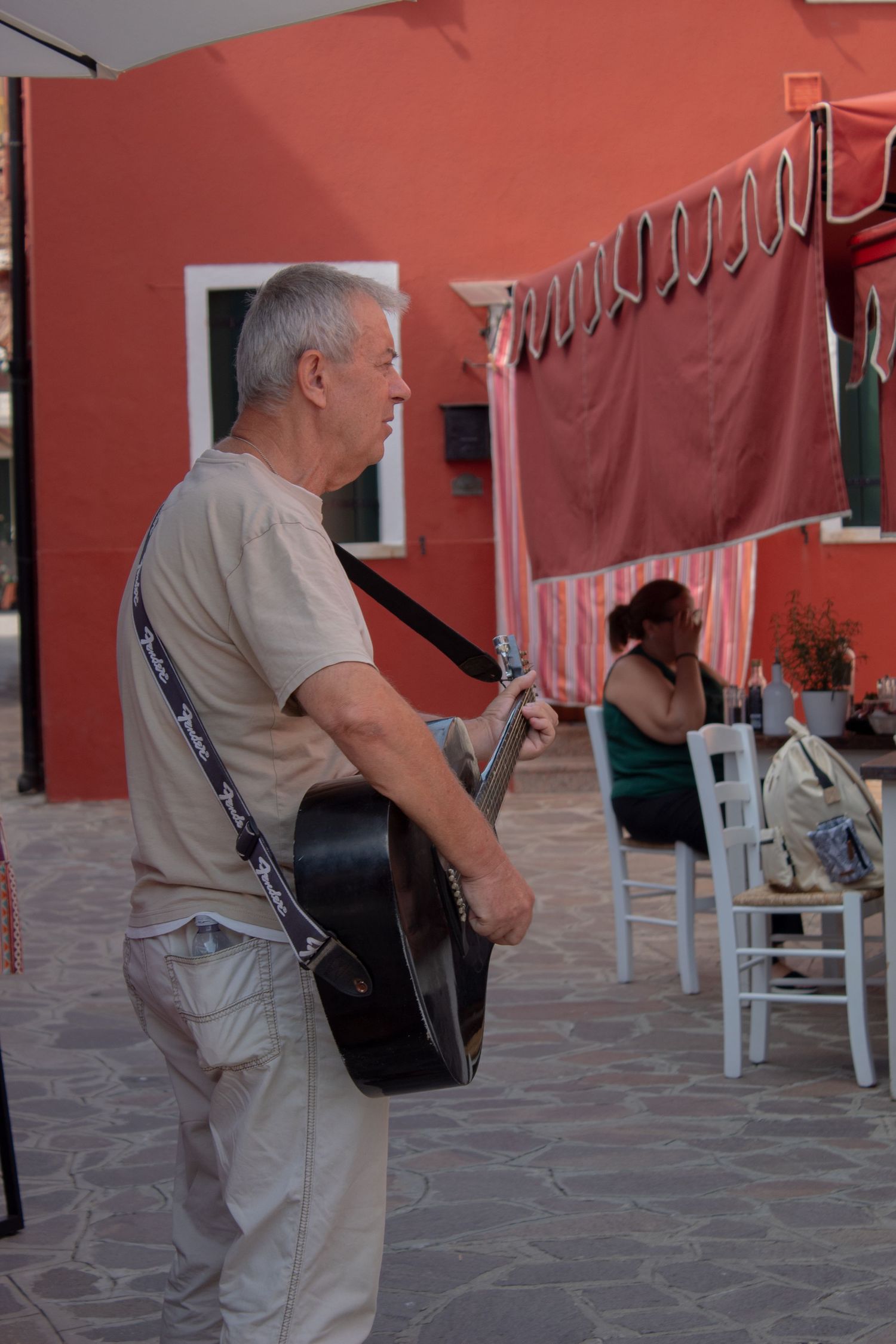
Among Burano’s brightly painted houses, the sound of a musician drifted through the alleys. He performed casually as tourists and locals alike enjoyed their lunch in restaurants nearby.
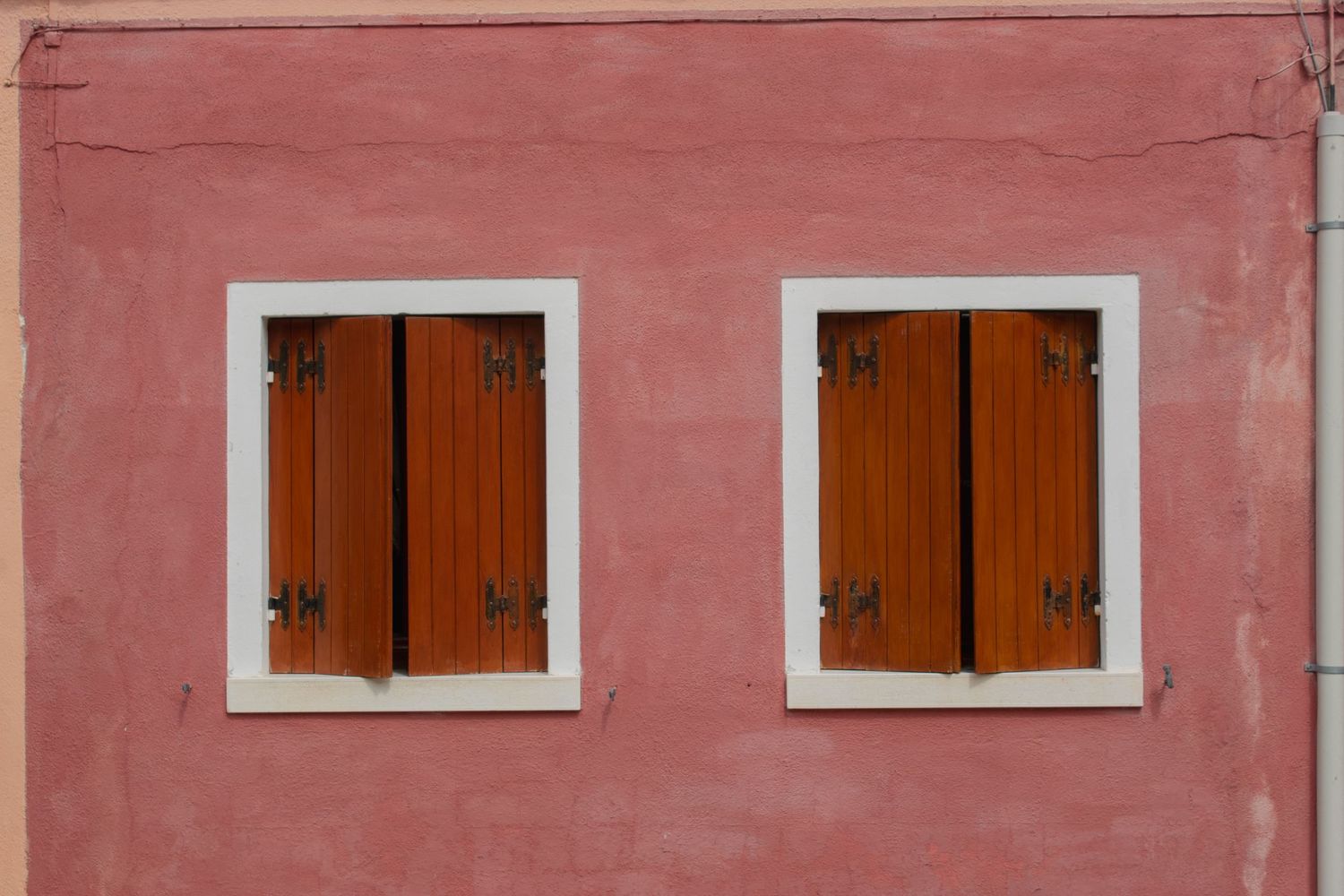
Along the streets, lace shops displayed hand-stitched fabrics, a delicate tradition dating back to the 16th century. Yet it was the daily textiles — linens, curtains, laundry swaying in the breeze — that captured my attention, telling the story of a community that lives here. I never tired of seeing the novelty that is fisherman’s boats, and open windows and shutters painted to match their walls. It was extremely visually appealing, and I was eager to capture it all.
As I photographed, I noticed there was a yearning to teach visitors about the purpose and history of craftsmanship in these places. There was overall respect for the scene.
I wondered, walking those streets, what it would be like to live here and to experience the islands as home rather than as a visitor. Was I intruding? We tourists with our cameras and our curiosity? And yet, I also felt welcomed. Perhaps this was the colourful settings that drew me in to be a part of it all.
Each photograph became less about capturing a subject and more about capturing a feeling. As we left, the sun was still high, and the colours shrunk into the distance whilst we headed back to Venice. It was a beautiful way to spend the day - my birthday.